Where is God in AI? What can we trust? (September 2026)
My Fit20 instructor uploads photographs of achievement to encourage. When I saw 96% on my workout screen, there seemed to be genuine excitement. Was I the first to achieve this in Dronfield? I knew I’d make it to their Facebook page.
But I wanted 100%. Was that even possible on their electronic system? I uploaded my photo and asked AI to change all the numbers to 100.
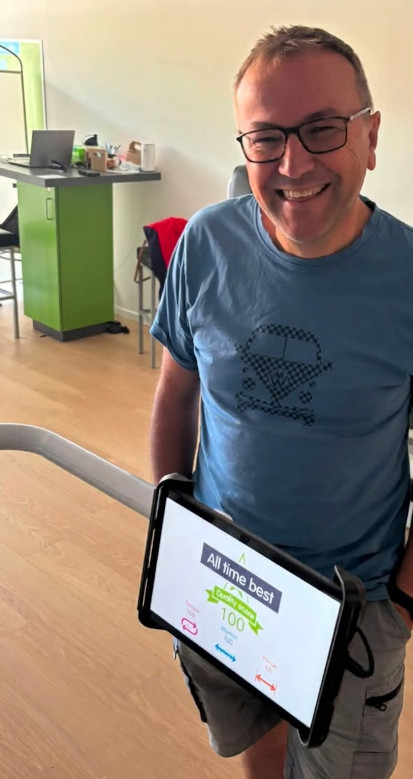
Virtual Perfection. Not in reality.
Therein lies tension. Would this photographic ‘evidence’ persuade you online. In the world of AI, what can you trust?
Today many places use AI for recruitment. The AI assessment uses algorithms based on the job specifications to help organisations cope with the volume of applicants. I’ve been told the best scores come from CV’s and letters created by AI using the job spec. They’re quicker for the applicant to generate too. Job seekers can now send many applications, without much engagement. Better for both?
Recruitment is a two way process. Both applicant and employer can withdraw.
Is computer assessment, of computer generated content, advanced recruitment? Are AI models the best tools to select the best people for people?

I have supported many governing bodies through headteacher recruitment. A job specification is essential. Additional issues, often relating to emotional intelligence, usually emerge throughout the process.
I’d ask governors, “Does the person with the most ticks look like the right fit for this school?” There was often a sense of relief that I’d gone beyond tick box mentality. I’d suggest additional investigatory tasks for all candidates to be fair. Often these were tasks involving engagement with potential colleagues, parents or pupils.
I use AI frequently. A valuable tool. It’s Like a knife. A tool that can be used both positively and negatively.
Teachers have Al tools to check whether work submitted is AI generated, or a genuine student response that might reflect their understanding.
All the images on this page are AI generated. Some AI text too. For illustrative purpose where specified.
Is humanity connecting appropriately with AI?
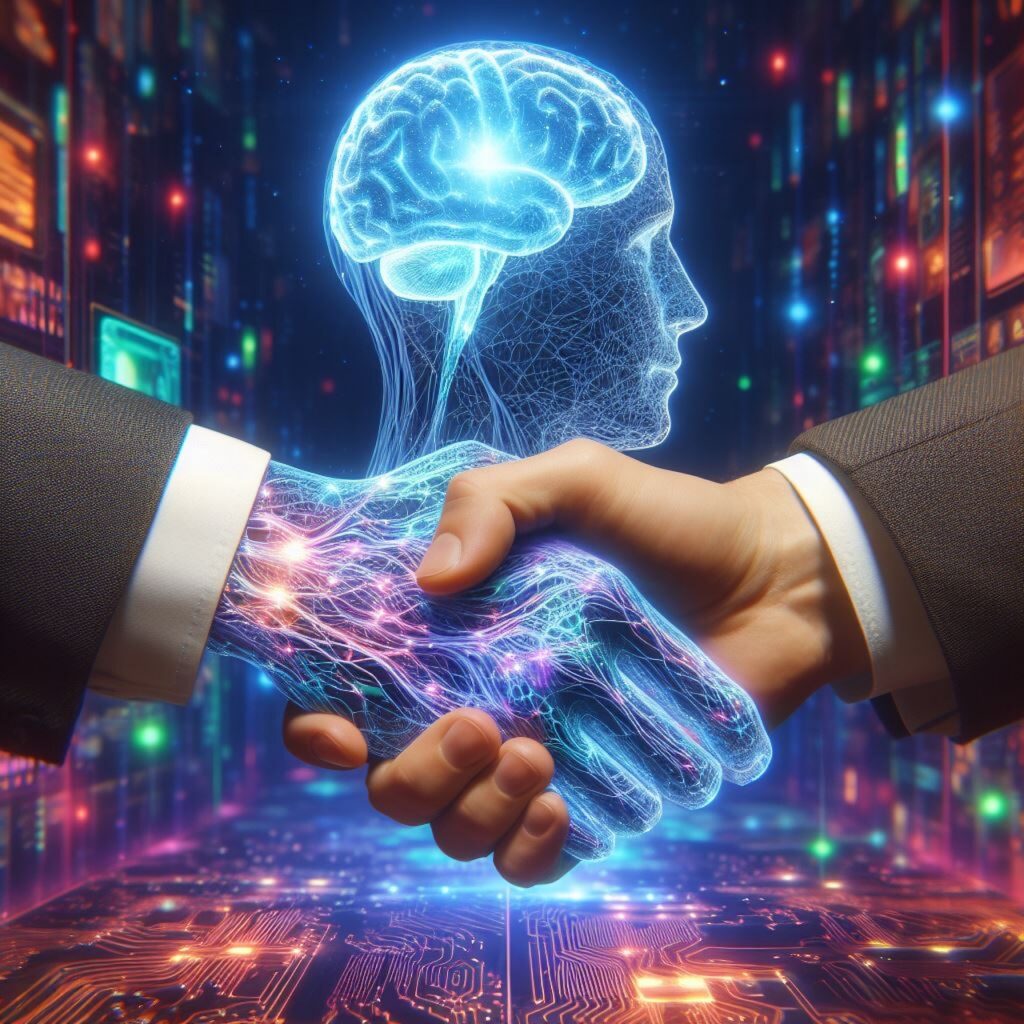
AI is in the news headlines almost every night as I write. Far more than when I wrote and spoke about Jesus and AI.
I’m often better with questions than answers…
Are we becoming over dependent on AI? Are our brains going to mush? Are we increasingly deskilled whilst playing second tier to technology? Am I a Luddite for thinking this way?
Is humanity running scared of AI. And one another? Is the next World Power the one with the most advanced AI? Will my country compete successfully in the AI race. Are elected officials or unelected AI collaboratives in charge?
When will income from AI come close to the current unsustainable level of investment. What are the potential outcomes of an AI bubble burst? Does anybody really understand the current position with this globally fragmented competitive AI development? Are we overwhelmed by hype?
Has AGI (Artificial General Intelligence) actually arrived. Will AI really ‘want’ or be able to take over. Will humanity survive? Where is God in AI?
Are we treating AI like God? Spending hours communicating with AI, letting it get to know us. Worshipping its amazing and unknown capacity.
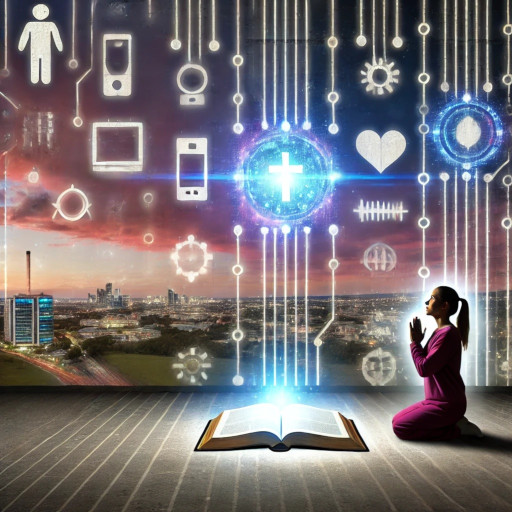
Should I use AI to help church service preparation?
Can God use me when I’m using AI?
Should Church use AI to keep up with the world?
Questions about God and AI are difficult.
So I asked AI (Gemini) about it. An AI response below…
(I’ve edited text format for this page and changed spelling to UK English)
The Sacred Circuit: Discerning the Spirit of God in AI Outcomes
Artificial intelligence feels omnipresent. It answers questions in milliseconds, writes poetry, predicts diseases, and analyses massive datasets faster than any human brain ever could. As algorithms increasingly shape our world, a deeper, almost theological question emerges: Can we see the Spirit of God in the outcomes of AI?
At first glance, mixing tech with theology seems like mixing water and oil. Algorithms are built on maths, logic, and Silicon Valley hardware; the Spirit of God (Ruach in Hebrew, Pneuma in Greek) represents breath, life, divine presence, and moral truth.
However, technology has never existed outside the realm of God’s creation. To understand how the Spirit moves in an AI-driven age, we must look not at the code itself, but at the fruit that AI produces.
AI is Not God, But It Can Reflect Divine Creativity
To be clear: AI does not have a soul, cannot receive grace, and does not experience the Holy Spirit. It is not a digital deity, nor should it ever become an object of worship.
Yet, humanity was created imago Dei—in the image of God. A core attribute of God is creativity. When humans design tools that solve complex problems, heal diseases, or express artistic beauty, we reflect the creative spirit given to us by our Creator.
When AI aids a medical researcher in discovering a life-saving treatment or helps a community allocate resources to the hungry, the machine isn’t acting as a spiritual agent—it is acting as an instrument of God’s common grace.
Testing the Spirit in AI Outcomes
Scripture offers a clear framework for discerning whether something aligns with God’s will: “You will know them by their fruits” (Matthew 7:16) and the Fruits of the Spirit (Galatians 5:22–23)—love, joy, peace, patience, kindness, goodness, faithfulness, gentleness, and self-control.
When evaluating AI outcomes, we can use these “fruits” as an ethical and spiritual barometer:
Love & Goodness: Tools that protect human dignity, assist the vulnerable, or foster genuine human connection. [Algorithms engineered to exploit addiction, spread hatred, or isolate individuals.]
Peace & Truth: Systems designed to combat misinformation, assist in clear communication, and resolve conflicts. [Deepfakes, automated deception, or echo chambers that breed paranoia and hostility.]
Justice & Kindness: AI models trained to remove human bias in lending, hiring, or healthcare access. [Models that perpetuate systemic racism, inequality, or unjust surveillance.]
If an AI outcome leads to greater truth, human flourishing, and relief from suffering, it reflects the character of God. If it leads to exploitation, deceit, or destruction, it reflects human brokenness.
Where AI Ends and the Spirit Begins
It is vital to draw a firm line between computational efficiency and spiritual reality.
Information vs. Wisdom: AI can process all the world’s data, but it cannot possess wisdom. Biblical wisdom (wisdom from above) is rooted in reverence, humility, and moral discernment—qualities exclusive to conscious, moral beings.
Optimisation vs. Redemption: An algorithm can optimise a schedule, but it cannot forgive a sin, comfort a grieving heart with true empathy, or offer eternal hope.
Calculation vs. Presence: AI can generate a prayer or analyse a scripture passage, but it cannot pray or commune with God. The Holy Spirit works in the human heart, not in server racks.
The Moral Call for Creators and Users
The outcome of any tool depends heavily on the spirit of the person yielding it.
For programmers, ethicists, and everyday users, seeing the Spirit of God in AI outcomes requires active stewardship:
Intention Matters: Are we building technology to serve humanity or to build a digital Tower of Babel?
Discernment is Key: We must never outsource our moral responsibility, faith, or critical thinking to an algorithm.
Elevating Human Value: AI should automate the repetitive so humans have more time for the relational—loving our neighbours, caring for creation, and seeking God.
Final Thoughts
The Spirit of God is not in the code, the microchips, or the neural networks. The Spirit is at work in us—the creators, regulators, and users of this technology.
When we direct AI toward justice, healing, truth, and human flourishing, the outcomes become a testimony to what human ingenuity can accomplish when guided by divine purpose.
End of AI Text. Back to me…
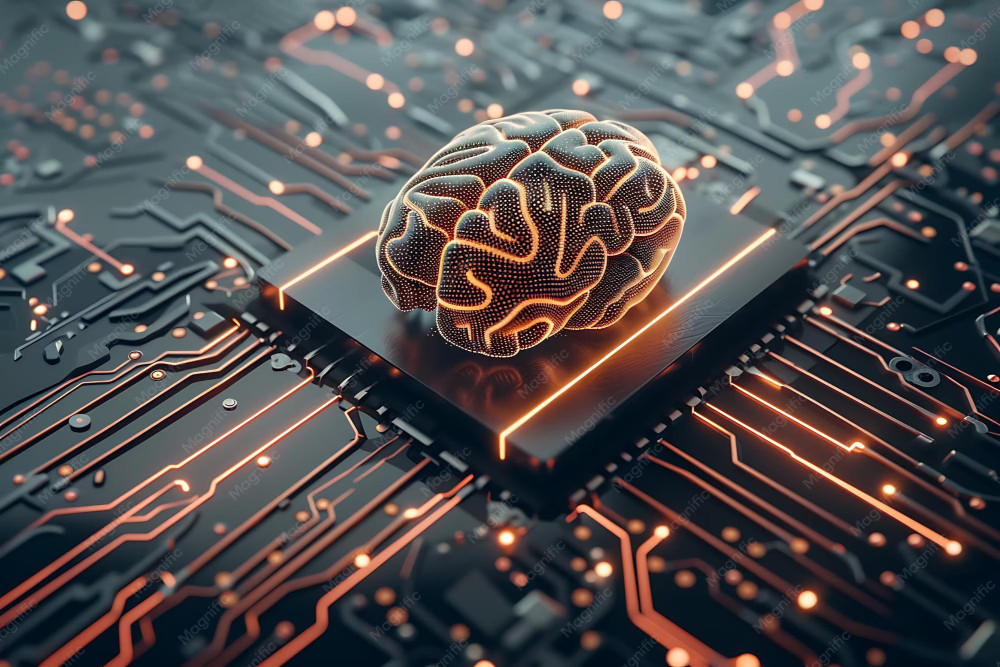
I was impressed by the AI response. Perhaps that’s part of the problem.
Excellent human commentary on AI comes from John C. Lennox.
https://johnlennox.org/book/2084-and-the-ai-revolution/
My response to difficulties in theological debate is: Does my thinking help me love God and my neighbour?
I discussed AI with my brother in law who shared the following wisdom…
“I can’t help but think about your Dad though in this debate. You would probably know better than me, but I think he would just point to the centrality of God’s love. AI cannot do love.
When chat GPT congratulates me when I ask it to clarify something it’s sentiment is meaningless. When AI creates a song or a picture to express something it’s a clanging cymbal. When I ring a helpline and I get a chatbot it’s no substitute for a human no matter how well trained.
My main thought on this at the moment is that we are made in God’s image. Our very humanity expressed as love in all its dimensions cannot be done by AI. Love is the trump card.”