New hope. Seven years on. (November 2025)

Introduction
Will I need a cycling helmet again?
Sadly, I broke this one whilst my head was still in it.

I could have shown you an actual photograph of my body shaped yellow outline drawn on the road by the Police who assumed I was as good as dead. No breath, arm disconnected, broken ribs causing damage to internal organs, blood from my ears due to brain injury… I thought the actual photo was too grim for this post.
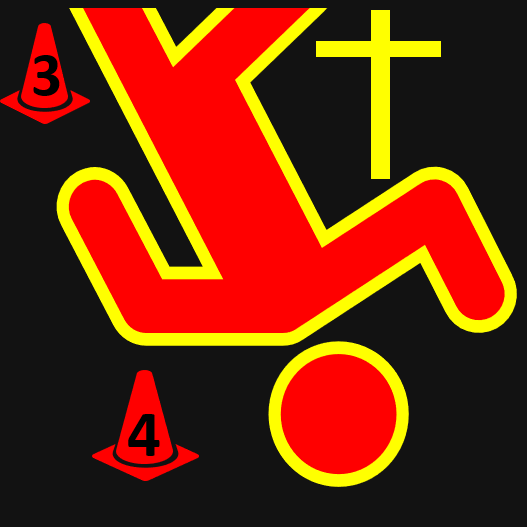
I came out of coma weeks later in hospital and had no idea how I got there, and what was real. Life started to be described as before accident, and after accident. A bit like AD & BC. Significant, life changing, events.
Labels
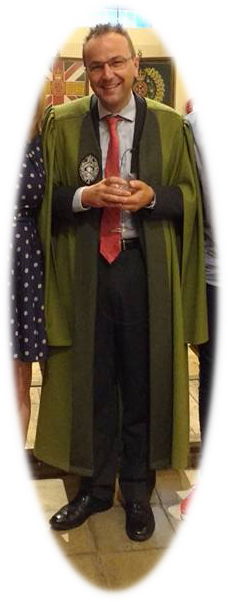
Before the accident I’d had popular worldly labels of status.
Headteacher, School Improvement Partner, Chief Executive Officer, Trustee, OFSTED Inspector, Diocesan Director of Education, Lay Canon, Licenced Preacher, Bishop’s Leadership Team member…
When I awoke, I struggled to walk and talk. I did not know the name of my wife. I could not get out of bed or choose when to go to the toilet. Too tied up. Months in hospital were ahead of me.
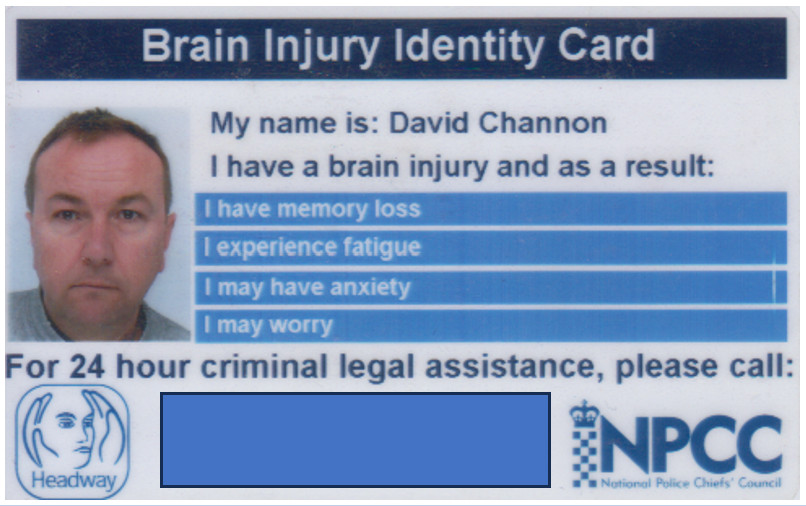
I have a brain injury card to explain my symptoms. When I can’t.

After the accident, my old labels were gone! New labels…
Traumatic Brain Injury Survivor. Now with nonvisible… Anxiety, Epilepsy, Diabetes Insipidus, Double Vision, Tinnitus. Loss of speech, balance, and cognitive capacity when tired. Minimal awake time. Memory management issues -hence my dependence on prepared notes. Emotion, noise and crowds overwhelm. Disabled under Section 6 of the Equalities Act 2010.
I’ve questioned, my place and my purpose in life and in church.
I now respond to seven questions I’ve been asked.
Q1 Can you share with us an experience or story of someone who has influenced your preaching journey?
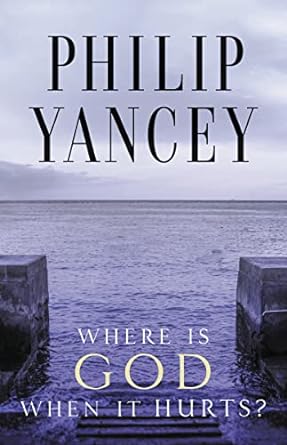
At a Christian conference a stranger came to my campervan and gave me, “Where is God when it hurts?” Phil Yancey. Tremendous timing. Huge Help.
I also bought a book by Nick Vujicic (Voy-uh-chich) a man born without fully formed arms and legs, but with an incredible ministry. His disability management inspired me.
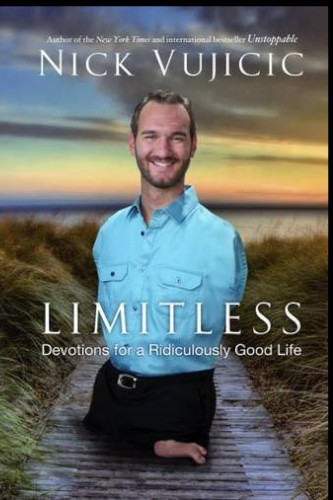
“I must reframe this difficulty as opportunity. I can’t ignore my issues. I can reset my responses.”
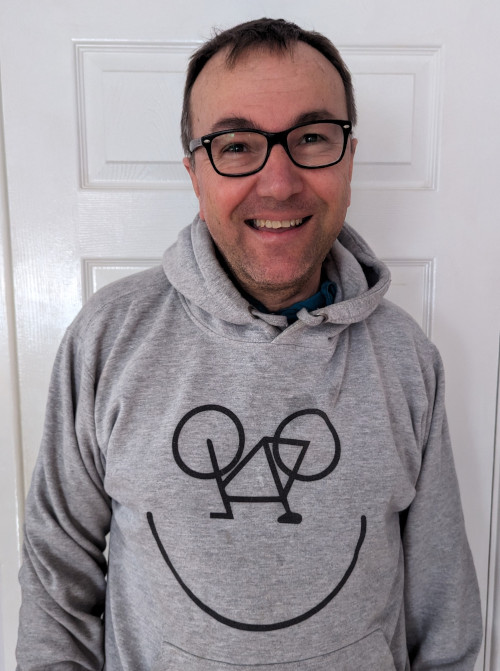
For visual learners I have the Hoody. An upside-down bike made into a smile. It’s the hardest thing I’ve ever made myself try to do.
Q2 Can you tell us about a service or part of a service you led, that went really well?
It’s marvellous when people can connect with the spirit of God and apply new learning to themselves. I love the Bible. I use different versions and a bit of Greek and a tiny bit of Hebrew. BUT The more I know, the more I know I don’t know. I zoom in for detail, but remember to zoom out for big picture perspective and context. I use the greatest commandments to check my understanding.
I don’t worship the bible. I worship the God the Bible points to.
Services I lead really well must point to God… in word, in deed, and in worship.
Q3 What does ‘really well’ mean to you in the context of worship?
God became my only secure foundation for life. Worldly securities washed away. I started seeing disciples, and heroes of faith, as imperfect people making mistakes in their attempt to form relationship with God. Not super spiritual people finding it easy. This approach made scripture more real and relevant than ever.
Really good worship for me is… Practice of the presence of God. In the Church building, and beyond. (Brother Lawrence)
The word of God, in its multiple forms, can be felt powerfully by others. Despite imperfections and differences of preachers, settings and styles.
In His presence the magnitude of who He is, and who we are, can only result in worshipful thanks for His Amazing Grace. He has sacrificially found a way to reach us, because we can’t reach Him on our own.
Q4 What have you learnt about yourself on this preaching journey?
When I left work due to health, I became amazed by the number of people who started to talk to me about their challenges. This included Mental Health challenges. Some were at crisis point with suicidal plans and intent. I had changed. These conversations did not happen before my accident.
When I had some responsibility for about 6000 employees, people saw me as a role, not a person. There are some things you can’t learn from books. Experience had changed me.
People just keep coming to me. On dog walks, via email, my personal website and phone. I have now written and led Christian Faith & Mental Health training based on the support (some outstanding, some devastating) I received from people in Church.
Paul was changed on the road to Damascus. Scholars think he then spent about 7 years at home before being led out to share God’s love with Barnabas.
Seven. A theological number of completion. It means a lot to me right now. It’s been 7 years since my accident. I am still on a fit note and signed off work.
It’s a miracle I’m alive, but I am not fully healed. My weaknesses make me rely more on God. Just like Paul’s did. I am redirected by God, but stronger and more effective, because of my incapacity, and not just despite it.
2 Corinthians 12:8-10 NRSV
Three times I appealed to the Lord about this, that it would leave me, but he said to me, “My grace is sufficient for you, for power is made perfect in weakness.” So, I will boast all the more gladly of my weaknesses, so that the power of Christ may dwell in me. Therefore I am content with weaknesses, insults, hardships, persecutions, and calamities for the sake of Christ; for whenever I am weak, then I am strong.
Q5 Given no constraints what would you change about the worshipping life of the (Methodist) Church?
I am excited because in these days God seems to be on the move outside of the church walls. Quiet revival. All people, including the next generations, need to connect with our very real God, through a relevant presentation of salvation relationship with God.
It’s God’s offer, not ours. Jesus met people where they are. We need to be, more Christlike.

Q6 What of Wesley have you read most, that relates to your preaching experience?
The idea of Covenant was basic to John Wesley’s understanding of Christian discipleship.
Putting aside worldly desires, status and securities -and being willing to be whatever God wants, is powerful, and scary. The covenant service prayer is a challenging thing to accept in the reality I’m living.
Q7 (The question of completion) How might your preaching be different in 12 months’ time?
I did not know what was around the corner on my bike.
Nobody knows exactly what’s next in the journey of life.
What I do know is beautifully expressed by Mother Teresa.
“There is a terrible hunger for love,” Mother Teresa once said. “We all experience that in our lives – the pain, the loneliness. We must have the courage to recognize it. The poor you may have right in your own family. Find them. Love them.”
She added, “Give yourself fully to God. He will use you to accomplish great things, on the condition that, you believe much more in His love, than in your own weakness.” (Lectio365, 24-7 Prayer)
For ever. My thanks be, to God.
Amen
“New Revised Standard Version Bible, copyright 1989, Division of Christian Education of the National Council of the Churches of Christ in the United States of America. Used by permission. All rights reserved.”